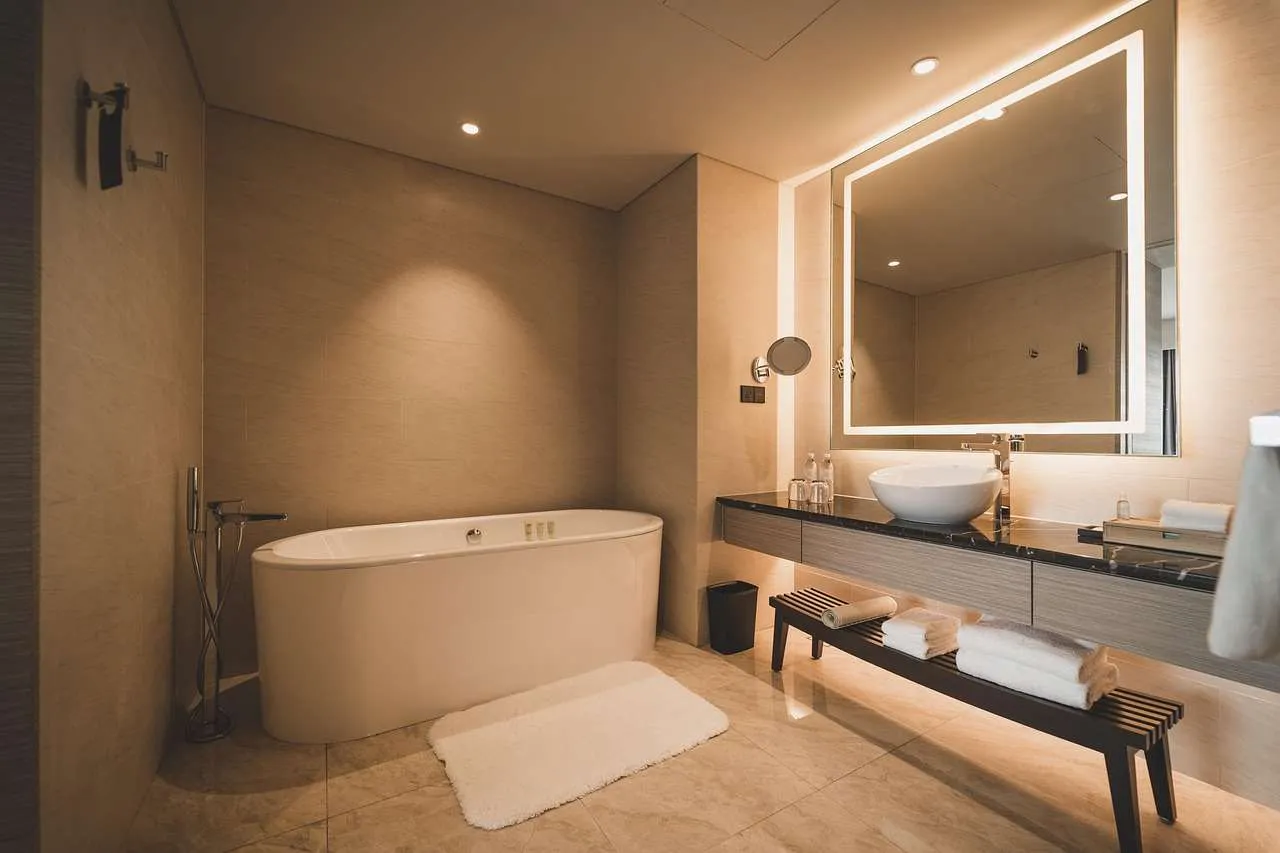
In today’s homes, small bathrooms can feel cramped, but they are also powerful spaces for clever design. The core ideas behind good small bathroom design are simple: reduce clutter, maximize vertical space, and choose fixtures that do double duty. This guide draws on professional interior design principles and practical installation advice to help you achieve a stylish, functional bath without major remodeling. Whether you are renovating on a tight budget or updating a rental, these small bathroom ideas will help you create a calmer, more spacious feel while maintaining durability and safety.
Small Bathroom Ideas: Core Principles
Start with a plan. Measure the room and map out zones for toilet, sink, shower, and storage. Prioritize multitasking fixtures and a cohesive color palette that reflects light. Professional designers emphasize clean lines, reflective surfaces, and proper moisture management to improve both function and perceived space.
Maximize Vertical Space
- Install tall cabinets or open shelving above eye level to keep frequently used items within reach but out of the way.
- Choose a wall-hung toilet or vanity to create an illusion of more floor space.
- Use hooks, rails, and slim towel bars mounted on doors or walls.
Smart Storage Solutions
- Medicine cabinet with mirrored fronts; corner organizers; shallow drawers in vanities for tiny items.
- Recessed niches in shower walls to hold toiletries without bulky caddies.
- Clear containers and labeling to reduce visual clutter.
Color, Material, and Finishes
Light, neutral colors expand the space; glossy or semi-matte surfaces reflect light, while moisture-resistant materials prevent wear. Choose porcelain or ceramic tiles with large format to reduce grout lines. Use durable, mildew-resistant caulks and sealants to maintain long-term integrity.
Layout Considerations
In very small spaces, a corner shower or a compact wall-hung sink can dramatically improve flow. A sliding or pocket door eliminates door swing interference. Plan for your daily routine and ensure clearances are sufficient for doors, drawers, and movement.
Fixture and Feature Options
| Idea | Pros | Cons | Best For |
|---|---|---|---|
| Wall-hung or floating vanity | Creates floor space; easy to clean; adaptable storage | Requires solid wall support; may be pricier | Smaller bathrooms needing an open feel |
| Glass shower enclosure | Feels larger; shows less moisture problem; modern look | Visible water spots; higher cost | Wet areas that should feel open and bright |
| Pocket or sliding door | Eliminates swing space; easy to access | Complex install; repairs can be tricky | Very tight layouts and L-shaped rooms |
| Mirrored medicine cabinet | Dual function; adds light and depth | Depth limited; sometimes over-crowding | Storage plus visual brightness |
Lighting, Mirrors, and Finishes
Layered lighting is essential in small bathrooms. Use a bright general light and add task lighting around the vanity. A large mirror or mirrored cabinets doubles reflected space and helps with depth perception. Consider color temperature around 3000K–4000K for a warm yet crisp look and keep fixtures rated for damp locations.
Maintenance, Budget, and Trustworthy Execution
Plan for durable materials and moisture control. Choose moisture-resistant cement boards behind tile, and use low-VOC paints for better indoor air quality. For safety and lasting value, hire licensed plumbers and electricians for any structural or wiring work, and work with a reputable contractor who specializes in compact bathrooms. When possible, source materials from reputable showrooms or brands with good warranty coverage to support EEAT by demonstrating reliability and accountability.
Conclusion, Small bathrooms can feel expansive with the right ideas: choose compact, wall-hung fixtures; use glass to visually extend space; expand storage with vertical and mirrored elements; and plan lighting to brighten the room. Pair durable, moisture-resistant materials with professional installation to ensure long-term performance.