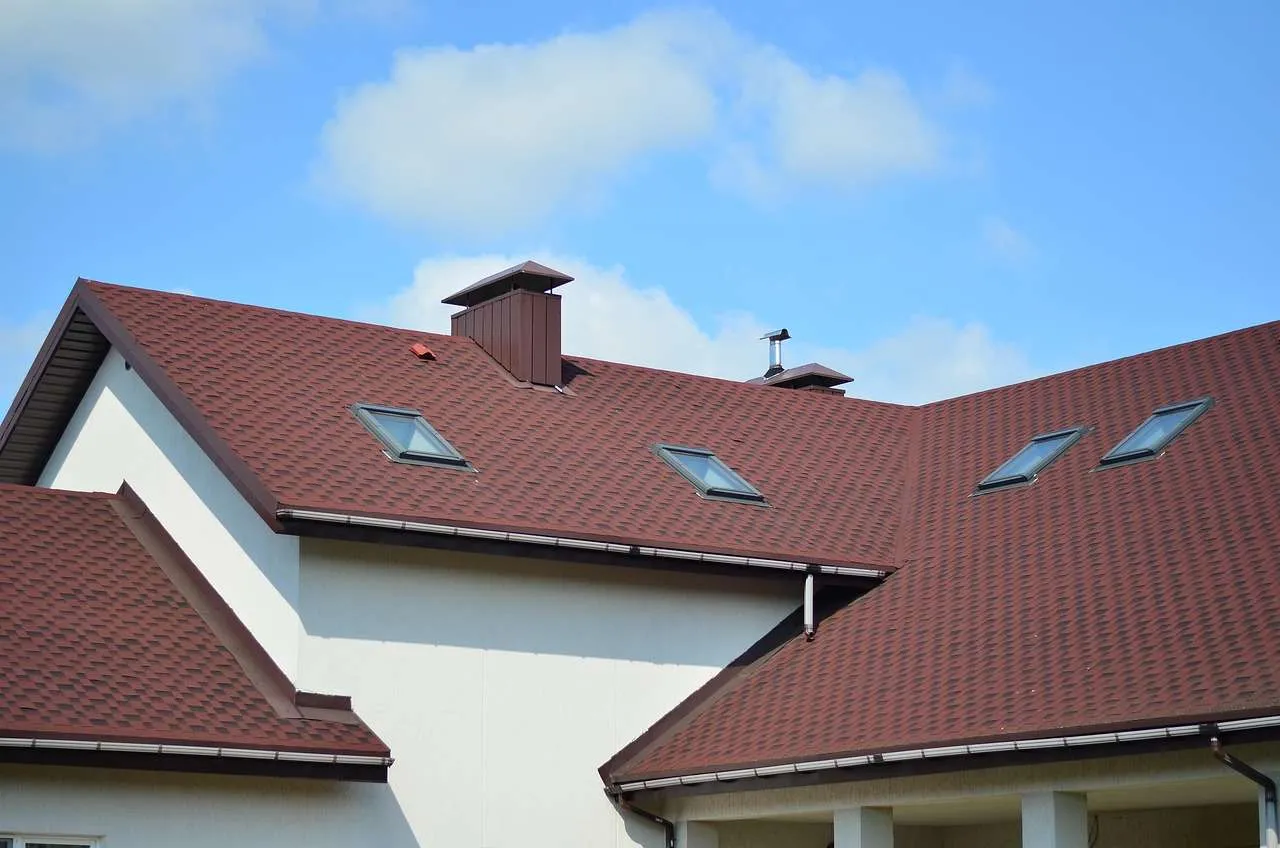
The repair of roofing is a common maintenance task for homeowners. A sound roof protects your home from water intrusion, improves energy efficiency, and preserves property value. This guide explains how to recognize problems, decide when to repair or replace, and how to hire trusted professionals who follow best practices.
Signs you need roof repair
- Missing or curling shingles
- Visible leaks or water stains on ceilings
- Damaged flashing around chimneys, vents, or skylights
- Granule loss in gutters or downspouts
- Sagging or daylight in the attic
When to repair versus replace
Repair is often cost effective for localized damage on older but structurally sound roofs. If more than 30 or 40 percent of the roofing surface shows damage or if the plywood deck is compromised, replacement may be wiser. A professional assessment helps determine the safest, most durable option.
Common repair methods
Shingle replacement
Replacing damaged shingles with matching ones restores watertightness and protects underlying layers from moisture.
Flashing repair
Sealing or replacing metal flashing around chimneys, vents, and edges stops leaks where water tends to intrude.
Leak sealing and patching
Temporary sealants or professionally applied patches can stop active leaks while longer term repairs are planned.
DIY or professional help
Some minor maintenance can be done by experienced homeowners, but most repairs require safety gear, ladders, and knowledge of roofing structures. For structural work and to meet local building codes, hire a licensed contractor. Check for insurance coverage and warranty options on both labor and materials.
Choosing a roofing contractor
- Verify licensing and insurance
- Ask for written estimates and a clear scope of work
- Review prior work and client references
- Ensure warranty on labor and materials
- Look for manufacturer training or certifications such as NATE
Costs and insurance considerations
Repair costs vary by material, damage extent, and location. Typical repairs range from a few hundred to a few thousand dollars. Full replacement is generally more expensive but may offer longer-term reliability. If damage results from a storm or covered event, consult your insurer about coverage and the claims process.
Maintenance to extend roof life
- Schedule regular inspections, especially after storms
- Clean gutters and ensure proper drainage
- Remove debris that traps moisture on the roof surface
- Address algae or moss growth on shaded surfaces
Comparison at a glance
| Option | Pros | Cons |
| Repair | Lower cost, fixes localized issues, faster completion | May require ongoing maintenance |
| Replacement | Long-term solution, preserves warranty, better for extensive damage | Higher upfront cost, longer disruption |
Conclusion
Summary The repair of roofing combines recognizing signs of damage, selecting appropriate repair methods, evaluating costs, and hiring licensed professionals. By prioritizing expert guidance, safety, and preventive maintenance, you can extend roof life, protect your home, and maintain peace of mind for years to come.